
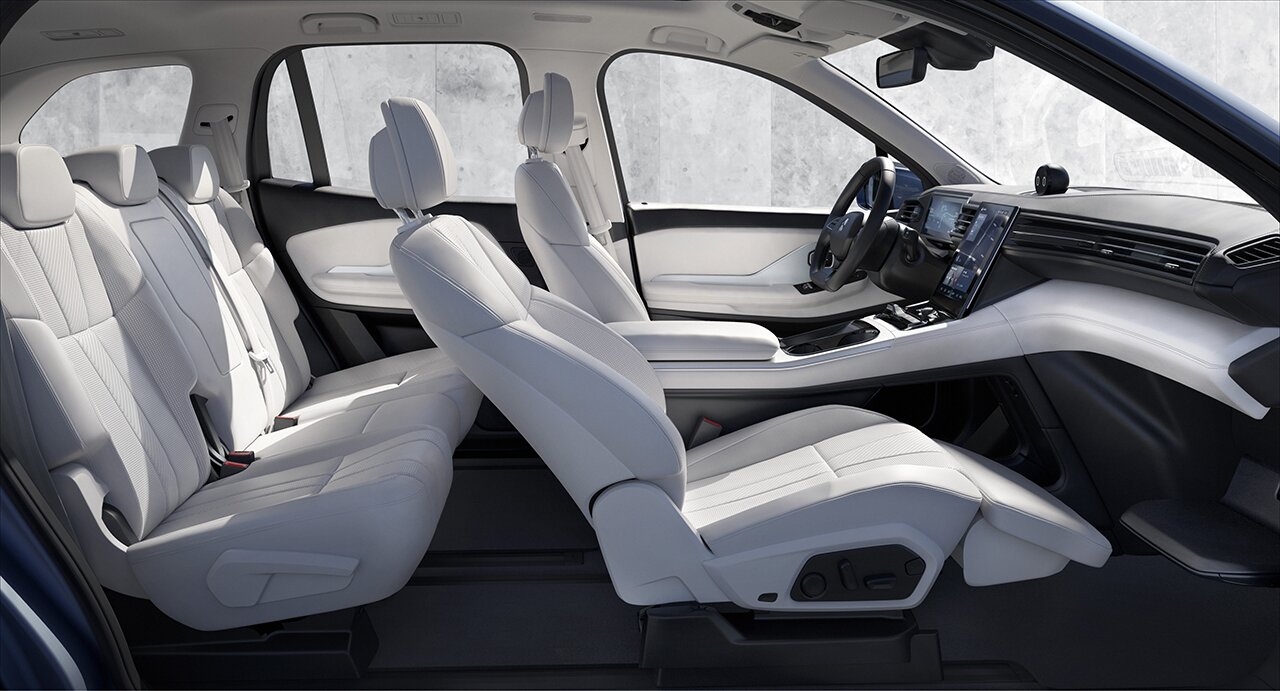
In future, Adient will produce seat cushions for car seats using Covestro's CO₂ technology. (Source: Adient)
Covestro: Adient reduces CO2 emissions with cushioning based on cardyon polyols
Adient, a global manufacturer of seating systems for the automotive industry, and Covestro announced that they will join forces on the way to improving the circular economy. From November 2021, Adient will be integrating cardyon, a polyol made using Covestro’s CO2 technology, as a sustainable feedstock for the production of hot cure moulded polyurethane foam. Adient deploys these foams as cushioning in its automotive seating systems.
According to Adient, this supply chain-related sustainability milestone helps to further reduce the company’s scope 3 emissions as calculated by the Greenhouse Gas protocol. Based on the principle of the circular economy, the CO2 technology by Covestro reuses carbon dioxide as a valuable material source by integrating up to 20 % of CO2 into polyol production. The smart contribution helps to preserve fossil resources and close the carbon loop.
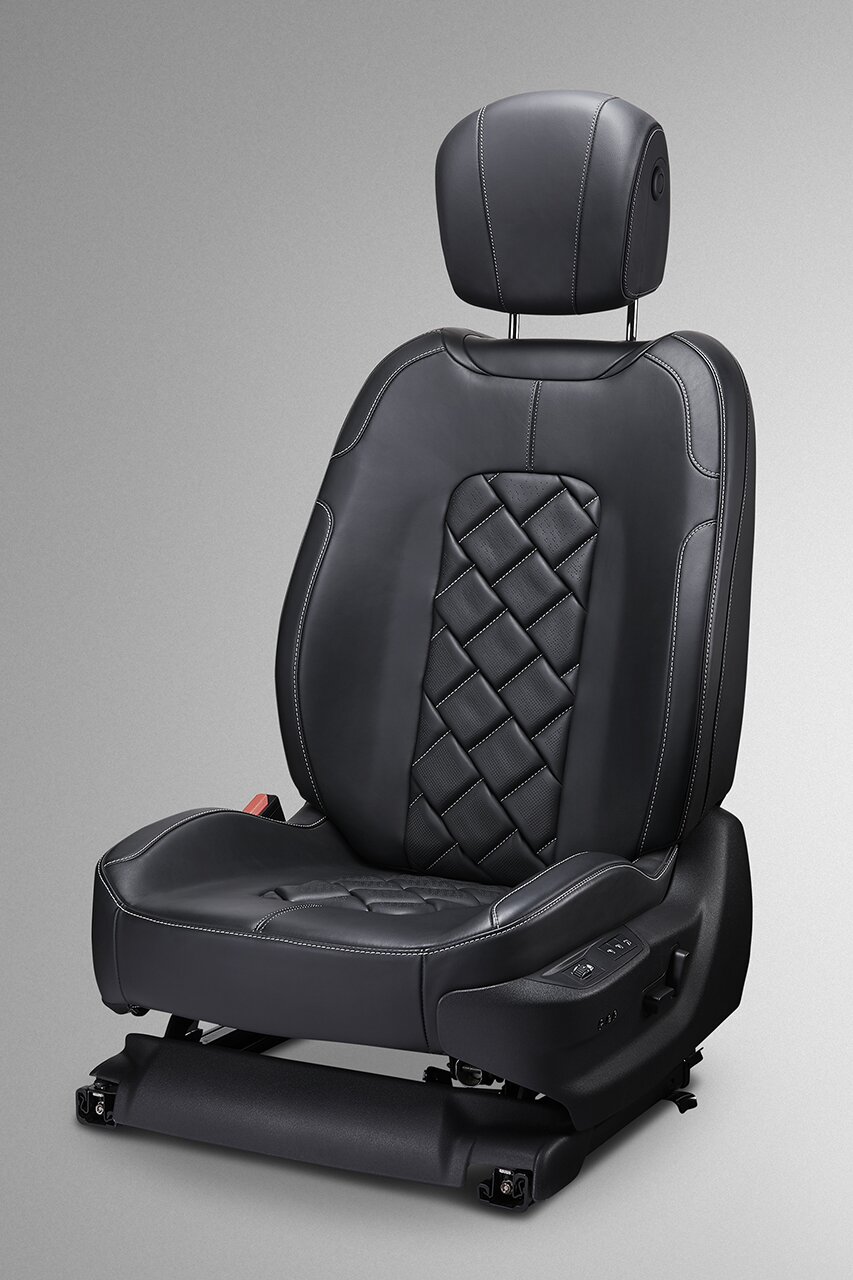 By integrating re-used CO2 as raw material, Adient pursues circular economy approaches for the automotive industry. (Source: Adient)
David Nash, Vice President Components EMEA at Adient, said: “Adient is pursuing multiple ways to reduce its CO2 footprint, further raising sustainability, and this is especially true for the production of polyurethane foam. By choosing cardyon by our partner Covestro, we have made another valuable step towards more sustainable production of our high-class seating systems. In addition to the high quality of our products, this means further differentiation and added value for our customers.”
“We feel very pleased that, together with Adient, we are taking a further step towards the circular economy. The fact that our CO2 technology is now also available for premium car seats confirms the great potential of this unique innovation, realising high-quality sustainable solutions for the automotive industry”, said Dr. Persefoni Hilken, cardyon Venture Manager at Covestro.
Adient said by integrating enhanced polyol solutions into the production of polyurethane foam, it supports the reuse of CO2 from chemical processes as an alternative raw material. Thereby the company follows the path of moving away from fossil resources to recycled ones, avoiding CO2 being emitted to the atmosphere. The CO2 technology itself can be also used for further applications, such as sports flooring, mattresses, and textile fibres. The newly-developed foams fulfil all stringent OEM specifications, having the same properties as those produced from fossil-based polyols. Additionally, the new solution can be easily applied within existing production processes, with only a minor modification of equipment, said the company.

Like this article? Share Now!

More news from this section
BASF: Infinergy E-TPU complements Hotter’s Cushion+ technology
Hotter and BASF have joined hands to provide greater energy return in the footwear brand’s market-leading comfort shoes. The expanded thermoplastic polyurethane (E-TPU) Infinergy from BASF provides exceptional cushioning. Professionals who are constantly on the go benefit from the material in particular as it returns the energy in each step, reducing fatigue and dampening shock on joints.
read moreFeddem at Fakuma 2021: Extruder and its LFT pultrusion lines
The Sinzig based mechanical engineering company Feddem GmbH & Co. KG will provide an overview of its LFT pultrusion lines for the production of long glass fibre pellets as well as on the subject of upcycling and service in addition to its FED 43 MTS extruder at Fakuma 2021.
read more
Write a comment on this article now